

Missing your Required Minimum Distribution (RMD) deadline with a fixed annuity held in an IRA triggers a 25% excise tax on the shortfall. This penalty is imposed by the IRS for each year the distribution is not taken. However, the IRS allows you to correct the error and waive the penalty if you file a specific statement with your tax return.
The 25% Excise Tax Consequence
The Internal Revenue Service enforces strict rules regarding the timing and amount of distributions from tax-deferred retirement accounts. When you fail to take the full RMD by the deadline, the IRS assesses a 25% excise tax on the amount that should have been distributed but was not. This tax is separate from the ordinary income tax you pay on the distribution itself. It is a significant financial penalty that can erode your retirement savings quickly.
Understanding the RMD Deadline
The deadline for taking your RMD is December 31 of the year in which you are required to take it. There is no grace period for the calendar year distribution. If you miss this date, the penalty applies immediately. It is important to distinguish this from the first RMD, which has a special rule allowing you to delay until April 1 of the following year. However, this delay option only applies to the very first distribution and creates a double distribution requirement in the following year.
A fixed annuity is an insurance contract that provides a guaranteed stream of income or a fixed interest rate. When held inside an IRA, it is subject to the same RMD rules as any other IRA asset. The annuity provider, such as American Gulf, does not automatically withdraw the RMD amount for you. You must instruct the provider to take the distribution or take it yourself. Failure to do so is your responsibility, not the insurer's.
How to Correct the Missed Distribution
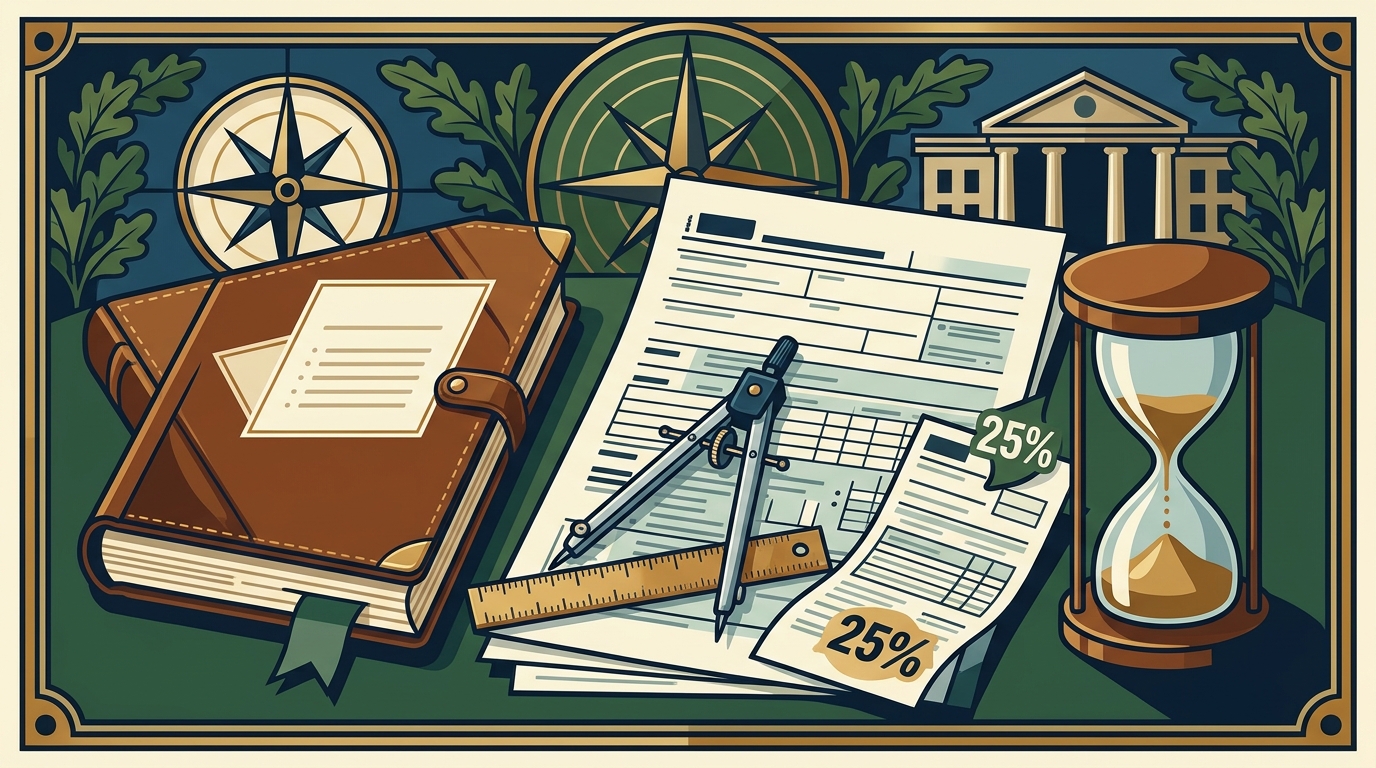
If you realize you have missed your RMD deadline, you can still correct the error. The first step is to take the missed distribution as soon as possible. You should also take the current year's RMD if it is due. Once you have taken the distributions, you must file IRS Form 5329 with your tax return. This form is used to report the excise tax and to request a waiver of the penalty.
The IRS allows a waiver of the 25% penalty if you can show that the failure to take the distribution was due to reasonable cause and that you are taking reasonable steps to correct the error. Common reasons for missing a deadline include serious illness, death of a family member, or a natural disaster. You must provide a written statement explaining the reason for the miss and the steps you are taking to prevent it from happening again. This statement is attached to Form 5329.
Reasonable Cause and Penalty Waivers
The IRS has discretion in granting penalty waivers. They look for evidence that the miss was not intentional and that you acted in good faith. For instance, if you were hospitalized during the deadline period, you can provide medical records as evidence. If you were unaware of the RMD requirement, you can explain that you were relying on a financial advisor who failed to inform you. The key is to demonstrate that you are taking proactive steps to ensure compliance in the future.
It is important to note that the waiver is not automatic. You must apply for it by filing Form 5329. If the IRS denies the waiver, you will owe the 25% excise tax. To avoid this risk, it is best to set up automatic distributions or calendar reminders to ensure you never miss a deadline. American Gulf provides resources to help you understand your annuity contract and how it interacts with your IRA, but the responsibility for RMD compliance remains with you.
Preventing Future Misses
Preventing a missed RMD is far easier than correcting one. You can set up automatic annual distributions with your annuity provider. This ensures that the RMD amount is withdrawn on a specific date each year. You can also use a calendar reminder or a financial planning tool to track your RMD deadlines. If you have multiple retirement accounts, you can aggregate your RMDs and take them from one account, but you must still meet the total amount required across all accounts.
Working with a financial professional can also help. They can calculate your RMDs accurately and ensure that you are taking the correct amount. American Gulf offers guidance on how to manage your fixed annuity within an IRA, including how to set up distributions. By taking proactive steps, you can avoid the 25% excise tax and keep your retirement savings intact. Remember, the IRS is strict about RMD compliance, and penalties can be severe. Stay informed and stay compliant.
Key Takeaways
- Missing your RMD deadline triggers a 25% excise tax on the shortfall.
- The deadline is December 31 of the year, with no grace period.
- You can correct the error by taking the distribution and filing IRS Form 5329.
- The IRS may waive the penalty if you show reasonable cause.
- Set up automatic distributions to prevent future misses.
- Work with a financial professional to calculate and track your RMDs.
Frequently Asked Questions
What is the penalty for missing an IRA RMD?
The penalty is a 25% excise tax on the amount that should have been distributed but was not. This tax is reported on IRS Form 5329.
Can the IRS waive the RMD penalty?
Yes, the IRS can waive the penalty if you show that the failure was due to reasonable cause and that you are taking steps to correct the error. You must file Form 5329 to request the waiver.
What is a reasonable cause for missing an RMD?
Reasonable cause includes serious illness, death of a family member, natural disaster, or reliance on a financial advisor who failed to inform you. You must provide evidence to support your claim.
Do I need to take the missed distribution immediately?
Yes, you should take the missed distribution as soon as possible. You should also take the current year's RMD if it is due. This demonstrates your intent to correct the error.
How do I file for a penalty waiver?
You file for a penalty waiver by submitting IRS Form 5329 with your tax return. You must include a written statement explaining the reason for the miss and the steps you are taking to prevent it from happening again.
Does American Gulf automatically take my RMD?
No, American Gulf does not automatically take your RMD. You must instruct the provider to take the distribution or take it yourself. It is your responsibility to ensure compliance with IRS RMD rules.
What happens if the IRS denies my penalty waiver?
If the IRS denies your penalty waiver, you will owe the 25% excise tax on the shortfall. You may be able to appeal the decision, but it is best to avoid the issue by staying compliant.
Next Steps for Compliance
If you have missed your RMD deadline, act quickly to correct the error. Take the distribution, file Form 5329, and request a penalty waiver. To prevent future issues, set up automatic distributions and work with a financial professional. American Gulf is here to support you with your fixed annuity and IRA planning. Visit our page to speak with a representative who can guide you through the process. Protect your retirement savings by staying compliant with IRS rules.