

Financial instability often stems not from low income but from a lack of structural resilience against life's unpredictable shocks. According to a 2024 Federal Reserve report, nearly 60% of Americans would struggle to cover a $1,000 emergency without borrowing money. This statistic highlights a critical gap in personal financial planning that affects millions of households across the United States. The solution lies not in complex investment strategies but in establishing a robust, personalized defense mechanism against financial volatility. By integrating disciplined saving habits with professional advisory oversight, individuals can transform anxiety into actionable security. This guide details the precise methodologies required to build that foundation, ensuring you are prepared for any financial curveball.
Defining the Need for a Financial Buffer
An emergency fund is not merely a savings account with a different label. It is a dedicated pool of liquid assets reserved exclusively for unforeseen financial events. These events typically include job loss, major vehicle repairs, or urgent medical bills. Without this buffer, individuals are forced to rely on high-interest credit cards or personal loans, which can spiral into long-term debt cycles. The primary goal is to maintain liquidity while preserving capital value. This requires a clear understanding of what constitutes a true emergency versus a discretionary expense. Establishing this boundary is the first step in creating a resilient financial profile.
Many people underestimate the frequency of unexpected costs. A broken furnace or a sudden dental procedure can easily exceed $1,000. When these costs are not planned for, they disrupt monthly cash flow and force difficult choices between essential bills and savings goals. The concept of financial resilience is built on the ability to absorb these shocks without derailing long-term wealth accumulation. This is where personalized guidance becomes invaluable, as it tailors the buffer size to your specific risk profile.
Calculating Your Personal Baseline
Before saving a single dollar, you must determine the exact size of your financial buffer. A one-size-fits-all approach rarely works because individual risk factors vary significantly. Your baseline should be calculated based on your fixed monthly obligations, including housing, utilities, insurance premiums, and minimum debt payments. This figure represents your survival number, not your lifestyle number. By isolating these essential costs, you create a realistic target for your emergency fund.
For most individuals, financial experts recommend a fund that covers three to six months of these essential expenses. However, this ratio is not static. If you work in a volatile industry or have irregular income streams, a six-month buffer may be the minimum requirement. Conversely, dual-income households with stable employment might find a three-month buffer sufficient. The key is to align your savings target with your personal risk tolerance and income stability. This calculation forms the foundation of your personalized financial plan.
Building the Emergency Fund
Once the target amount is established, the next step is execution. This process requires discipline and a strategic approach to cash flow management. The first action is to open a separate high-yield savings account. Keeping these funds distinct from your checking account reduces the temptation to dip into them for non-emergencies. High-yield accounts also help the principal grow slightly over time, combating inflation erosion.
Automating contributions is the most effective way to build this fund consistently. Set up a recurring transfer from your checking account to your emergency fund immediately after each paycheck. Even small amounts, such as $50 or $100 per week, compound significantly over time. Treat this transfer as a non-negotiable bill. As your income grows, increase the contribution amount proportionally. This method ensures that your financial safety net expands alongside your earning potential.
Insurance as a Financial Shield
While savings handle small to medium shocks, insurance is designed to protect against catastrophic financial events. Health insurance, auto insurance, and homeowners or renters insurance are not luxuries; they are essential components of financial planning. These policies transfer the risk of large, unexpected costs to a third party in exchange for a predictable premium. Without adequate coverage, a single accident could wipe out years of savings.
Review your policies annually to ensure they align with your current life circumstances. Deductibles play a crucial role in this strategy. Higher deductibles often mean lower premiums, which can free up cash for your emergency fund. However, you must ensure you have enough liquid assets to cover the deductible if a claim arises. Balancing premium costs with deductible affordability is a key aspect of personalized financial guidance. This balance prevents you from being underinsured or overpaying for coverage you rarely use.
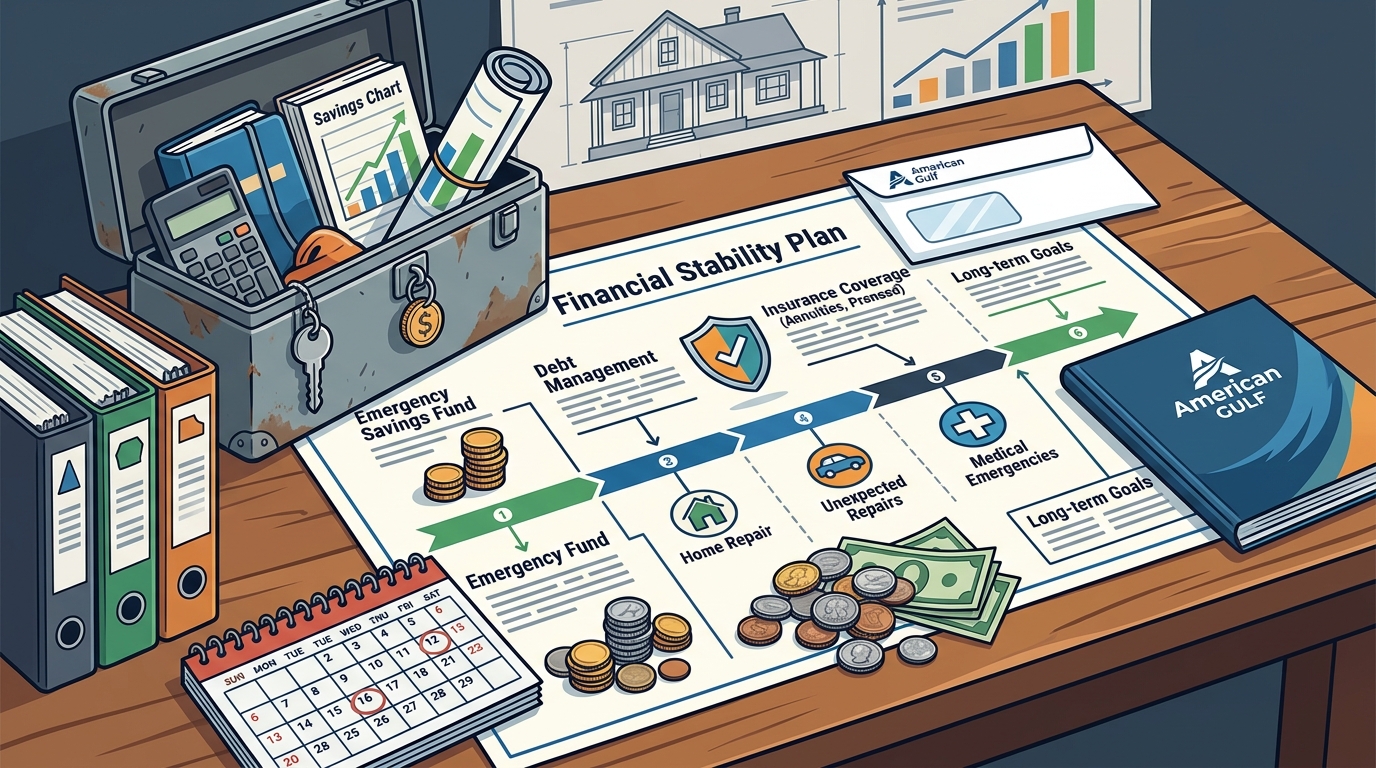
Strategic Debt Management
High-interest debt is the primary obstacle to financial stability. Credit card balances and personal loans with high interest rates compound quickly, making it difficult to build wealth. When planning for unexpected expenses, reducing this debt burden is a priority. The avalanche method, which targets debts with the highest interest rates first, is often the most mathematically efficient approach. This strategy minimizes the total interest paid over time.
Alternatively, the snowball method focuses on paying off the smallest balances first. This approach provides psychological wins that can motivate continued repayment. Both methods require a commitment to stopping new debt accumulation. Using credit cards for emergencies without a plan to pay them off immediately creates a vicious cycle. Personalized guidance helps determine which debt repayment strategy aligns best with your psychological and financial goals.
The Role of Personalized Guidance
Navigating financial planning alone can be overwhelming. The complexity of tax implications, investment options, and insurance products requires expert knowledge. Personalized guidance provides a tailored roadmap that accounts for your unique financial situation, goals, and risk tolerance. A financial advisor helps you identify blind spots and optimize your strategies for maximum efficiency.
At American Gulf, we specialize in providing this level of tailored support. Our approach involves a deep dive into your current financial health, future aspirations, and potential vulnerabilities. We help you construct a comprehensive plan that integrates emergency savings, debt reduction, and investment growth. This holistic view ensures that every financial decision supports your overall well-being. By working with experts, you gain confidence in your ability to handle whatever life throws your way.
Comparing Planning Options
Understanding the different approaches to financial planning can help you choose the right path. The table below outlines common strategies and their primary benefits.
| Strategy | Primary Benefit | Best For |
|---|---|---|
| Emergency Fund Savings | Liquidity and immediate access to cash | Job security and minor unexpected costs |
| High-Deductible Insurance | Protection against catastrophic losses | Health, home, and auto risk mitigation |
| Debt Avalanche Method | Minimizes total interest paid | Mathematically efficient debt reduction |
| Professional Advisory | Tailored strategy and accountability | Complex financial situations and long-term goals |
Key Takeaways
- Define Your Buffer: Calculate three to six months of essential living expenses as your target emergency fund size.
- Separate Accounts: Keep emergency funds in a dedicated high-yield savings account to prevent accidental spending.
- Automate Contributions: Set up automatic transfers to ensure consistent growth of your financial safety net.
- Review Insurance: Ensure your policies have adequate coverage and affordable deductibles to protect against major shocks.
- Manage Debt: Prioritize paying off high-interest debt to free up cash flow for savings.
- Seek Guidance: Work with financial experts to create a personalized plan that fits your unique risk profile.
- Stay Flexible: Adjust your financial plan as your income, family size, and life circumstances change.
Frequently Asked Questions
How much should I save for emergencies?
Financial experts generally recommend saving three to six months of essential living expenses. This amount covers your basic needs if you lose your income source.
Where should I keep my emergency fund?
Keep your emergency fund in a separate, high-yield savings account. This ensures the money is liquid and earns interest while remaining distinct from daily spending.
Can I use my emergency fund for non-emergencies?
No. Using emergency funds for discretionary purchases undermines their purpose. Reserve this money strictly for unexpected, essential costs like medical bills or job loss.
How does insurance help with unexpected expenses?
Insurance transfers the risk of large, catastrophic costs to a provider. This prevents a single major event from wiping out your savings and causing long-term financial damage.
When should I seek professional financial guidance?
Seek guidance when your financial situation becomes complex, such as when managing significant debt, planning for retirement, or navigating major life changes like marriage or homeownership.
What is the best way to start saving?
Start by automating small, regular contributions to a dedicated savings account. Consistency is more important than the initial amount, as it builds the habit over time.
How do I prioritize debt repayment?
Use the avalanche method to pay off high-interest debt first, or the snowball method to pay off small balances for psychological momentum. Choose the method that keeps you motivated.
Next Steps
Planning for unexpected expenses is not a one-time task but an ongoing process of refinement and adjustment. By establishing a robust emergency fund, maintaining adequate insurance, and managing debt strategically, you create a resilient financial foundation. Personalized guidance ensures that these strategies are tailored to your specific needs and goals. If you are ready to take control of your financial future, contact American Gulf today. Visit our services page to learn more about our comprehensive financial planning solutions. Schedule a consultation to begin building your personalized roadmap. Explore our resources for additional insights on financial health. Connect with our team via our contact page to discuss your unique situation. Secure your financial stability by starting your journey with us today.